
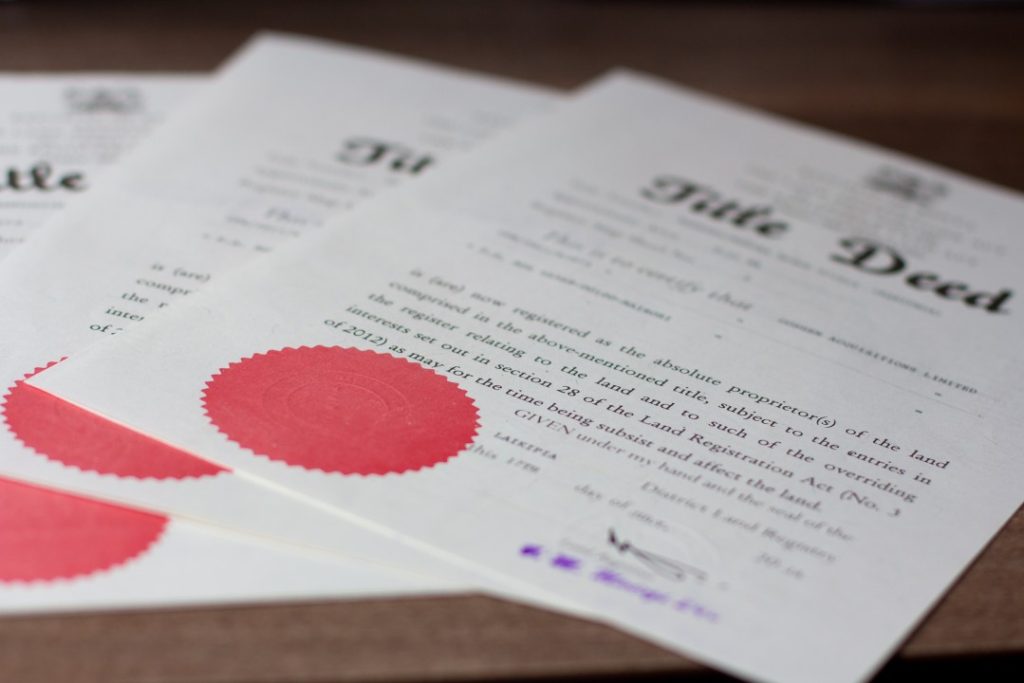
Title deeds in Thailand are the legal foundation of property ownership and land rights. Whether purchasing land, a house, a villa, or a condominium unit, understanding the type and legal strength of the title deed is essential. Thailand’s land ownership system is registration-based, meaning ownership and legal rights are established primarily through registration with the Land Department rather than through possession or private contracts alone.
Many real estate disputes in Thailand arise from misunderstandings about title deed categories, restrictions on transfer, boundary uncertainty, or unregistered encumbrances such as mortgages and leases. Foreign buyers are particularly exposed to risk because foreign land ownership is restricted under Thai law, and property transactions often involve leasehold arrangements, superficies, or other alternative legal rights.
This article provides an in-depth guide to Thai title deeds, including the different types of land documents, legal implications, transfer procedures, and due diligence considerations for property buyers and investors.
Legal Framework Governing Title Deeds in Thailand
Thailand’s land title system is governed primarily by the Land Code Thailand, which establishes land ownership rights, transfer procedures, registration requirements, and restrictions.
The government authority responsible for issuing and recording title deeds is the Land Department Thailand, which operates through provincial and district Land Offices.
Additional relevant laws include:
- the Civil and Commercial Code, governing leases, mortgages, superficies, usufruct, and servitudes
- the Condominium Act, governing condominium ownership rights and foreign ownership quota rules
- zoning and land use regulations affecting development and construction
What Is a Title Deed in Thailand?
A title deed is an official document issued by the Land Department that records ownership rights or land use rights over a specific plot of land or condominium unit.
A Thai title deed usually contains:
- land title deed number
- name of registered owner
- land location and district
- land size (Rai, Ngan, Square Wah)
- land map and boundary description
- history of transfers and registration
- registered encumbrances (mortgages, leases, usufruct, etc.)
Because ownership rights are based on registration, the title deed is the most important document in proving legal ownership.
Main Types of Land Title Deeds in Thailand
Thailand has several categories of land documents. These categories vary significantly in legal strength and transferability.
1. Chanote Title Deed (Nor Sor 4 Jor)
Legal Strength
The Chanote title deed is the highest and most secure form of land ownership in Thailand. It provides full ownership rights and is recognized as the preferred title for major property transactions.
Key Features
- full ownership rights
- boundaries are accurately surveyed using GPS
- land markers are officially placed
- can be sold, transferred, leased, and mortgaged easily
- provides strong legal protection against boundary disputes
Why It Matters
Most banks prefer Chanote titles for mortgage lending, and most foreign investors seek Chanote land for maximum security.
2. Nor Sor 3 Gor (NS3K)
Legal Strength
Nor Sor 3 Gor is a confirmed land use title with recognized boundaries, though it may not have the same precise survey standard as Chanote.
Key Features
- transferable at the Land Office
- boundaries are mapped and legally recognized
- can be upgraded to Chanote through government process
- can be mortgaged in many cases
Practical Considerations
NS3K is generally considered acceptable for purchase, but buyers should verify boundary accuracy and confirm upgrade potential.
3. Nor Sor 3 (NS3)
Legal Strength
Nor Sor 3 is weaker than NS3K. It provides a legal right to possess and use land, but boundaries may be less clearly surveyed.
Key Features
- transferable, but requires public posting of transfer notice
- boundary definitions may be less precise
- may be upgraded to Chanote depending on land survey approval
Risk Factors
NS3 land may be more prone to boundary disputes and overlapping claims, particularly in rural areas.
4. Sor Kor 1 (SK1)
Legal Strength
Sor Kor 1 is a possessory claim document rather than a true title deed. It is one of the weakest land rights documents.
Key Features
- indicates possession or use claim
- does not confirm full ownership rights
- may be upgraded to NS3 or Chanote only through legal process
- not always transferable in the same manner as Chanote titles
High Risk for Buyers
SK1 land carries significant risk. Buyers may face legal uncertainty, transfer limitations, and higher probability of disputes.
5. Por Bor Tor 5 (PBT5)
Por Bor Tor 5 is a land tax payment document and does not confirm ownership. It is sometimes misrepresented as evidence of ownership.
It generally indicates only that someone has paid land tax, not that they own the land. Buyers should treat this as high-risk documentation.
6. Sor Por Kor 4-01 (Agricultural Reform Land Title)
Sor Por Kor land is land allocated under Thailand’s agricultural land reform program.
Key Features
- issued for agricultural purposes
- cannot generally be sold freely
- transfer is restricted and regulated
- development may be prohibited or limited
Many investors avoid Sor Por Kor land because it may not be legally usable for residential villa projects or commercial development.
Condominium Title Deed (Or Chor 2)
Condominium ownership is documented through a condominium unit title deed.
Key Features
- issued for individual condominium units
- allows transfer of ownership at the Land Department
- records unit ownership and building registration details
- includes information on mortgages and liens
Foreigners may legally own condominium units in Thailand provided the foreign ownership quota of the building (49% of total unit area) is not exceeded.
How Title Deeds Are Verified
Before any purchase, a title deed must be verified through a title search at the Land Office.
A title search should confirm:
- registered owner identity
- whether the land is mortgaged
- whether leases, usufructs, or superficies are registered
- whether there are seizure orders or court disputes
- whether the land has legal road access
- whether the title is transferable
Buyers should verify the original title deed, not just a copy.
Encumbrances Recorded on Thai Title Deeds
Thai title deeds may contain registered encumbrances such as:
- mortgages
- leases (registered leasehold rights)
- usufruct rights
- superficies rights
- servitudes (right of way)
- court seizure or execution orders
Encumbrances can prevent transfer or reduce property value. They must be reviewed carefully before signing any agreement.
Transfer of Title Deeds in Thailand
Transfer Procedure
Ownership transfer is conducted at the Land Office. The transfer requires:
- seller and buyer attendance (or authorized representatives)
- identification documents
- signed sale and purchase agreement
- payment of taxes and fees
- issuance of updated ownership registration
Once completed, the buyer’s name is recorded on the title deed.
Taxes and Fees
Transfer transactions may involve:
- transfer fee
- stamp duty
- withholding tax
- specific business tax (in some cases)
The allocation of these costs is negotiable but must be clarified in the contract.
Foreign Ownership Issues and Title Deeds
Foreigners are generally prohibited from owning land directly. This makes title deeds particularly important in structuring lawful property rights.
Foreigners typically use:
- condominium ownership title deeds
- registered lease agreements
- superficies registration (building ownership)
- usufruct registration
Any attempt to use Thai nominee structures to hold land on behalf of foreigners can violate Thai law and lead to severe consequences.
Common Risks and Red Flags in Thai Title Deeds
Key red flags include:
- land without legal road access
- mortgages not disclosed by the seller
- title deed inconsistencies in land size or boundary markers
- land classified under agricultural reform restrictions
- disputed ownership history
- unregistered leases or rights claimed verbally
- land located in protected forest or coastal restriction areas
- unauthorized subdivisions or illegal construction permits
A professional title review is essential to identify these risks.
Best Practices for Buyers and Investors
To reduce risk, buyers should:
- conduct a Land Office title search before paying deposits
- confirm title deed type (Chanote preferred)
- verify seller identity and ownership authority
- review encumbrances and discharge conditions
- verify zoning, access rights, and building permit legality
- use properly drafted Thai-language contracts
- ensure all leases, superficies, or mortgages are registered
For foreign buyers, legal advice is strongly recommended to ensure the ownership structure is compliant.
Conclusion
Title deeds in Thailand determine the legal strength of land ownership and directly affect a property’s value, transferability, and investment security. The Chanote title deed provides the strongest ownership rights, while other land documents such as NS3, SK1, or tax receipts carry higher risk and may impose transfer or development restrictions. Condominium ownership is documented separately through unit title deeds and remains the most secure ownership method for foreigners.
Because Thai property rights depend heavily on Land Department registration, conducting a thorough title search and reviewing encumbrances is essential before any purchase. Buyers who understand Thai title deed categories and follow proper due diligence procedures can significantly reduce legal risk and ensure long-term property security in Thailand.